ENERGY & AWARENESS
What Is Reiki? A Gentle Introduction to Energy Healing
Reiki is a form of energy work that originated in Japan in the early 20th century — a gentle, non-invasive practice in which a practitioner supports the natural flow of life energy through light touch and quiet presence.
Reiki is a form of energy work that originated in Japan in the early 20th century. The word itself is made of two Japanese terms: 'rei,' often translated as universal or spiritual, and 'ki,' meaning life energy or vital force (similar to the concept of 'qi' or 'prana' in other traditions).
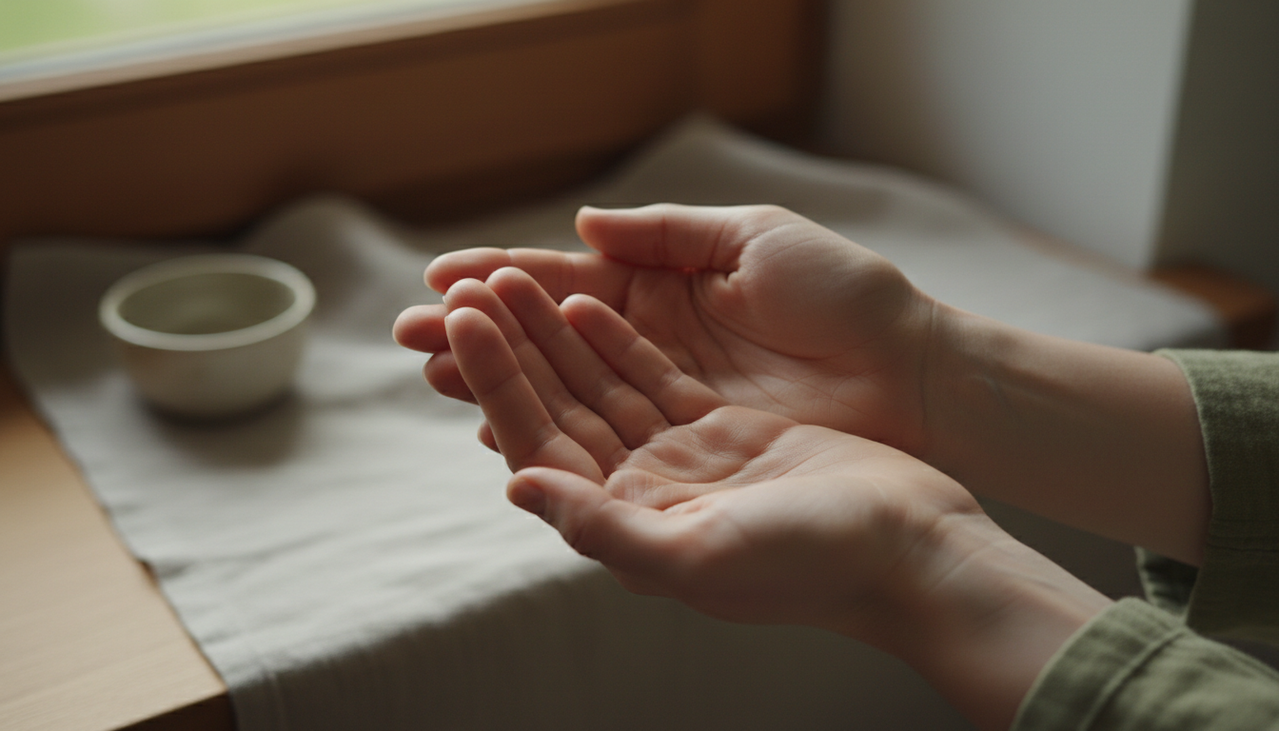
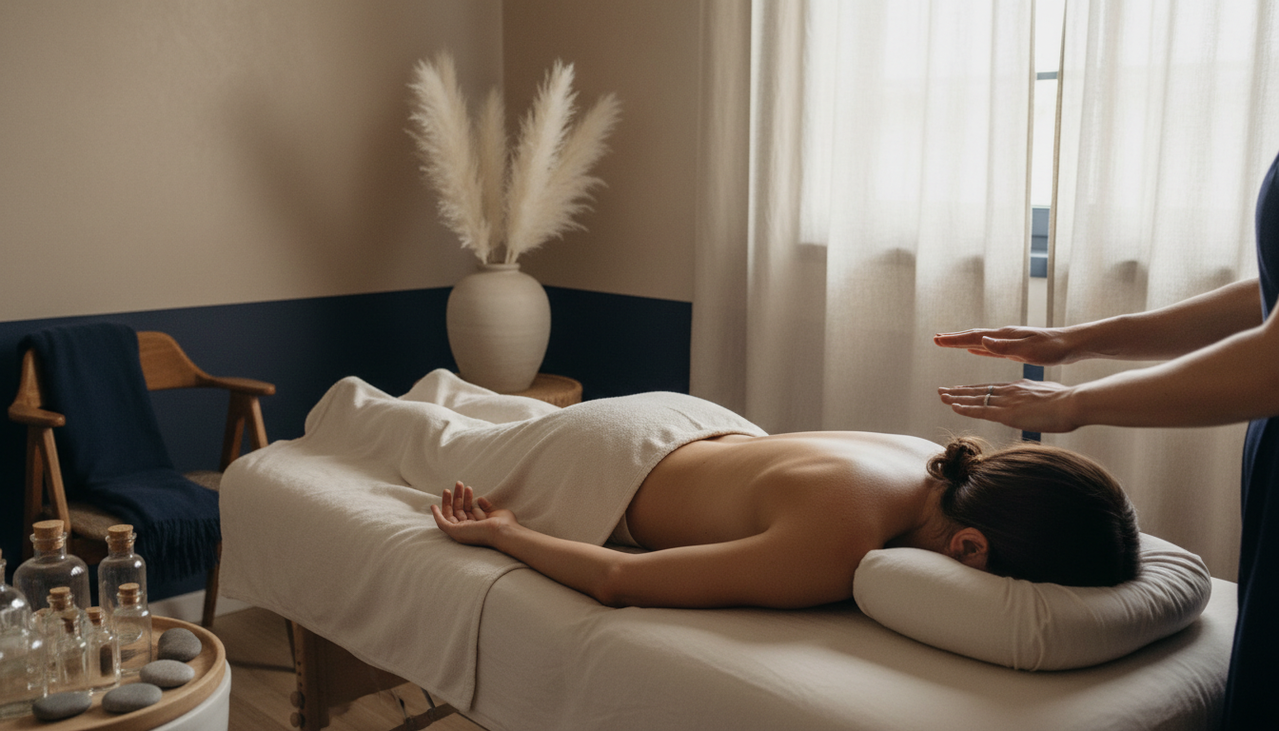
At its simplest, Reiki is a practice in which a practitioner places their hands lightly on or just above a person's body with the intention of supporting the natural flow of energy. The person receiving the session remains fully clothed and usually rests quietly.
A Brief History
Reiki was developed by Mikao Usui in Japan around 1922. Usui's system emphasized spiritual development as much as physical healing. The practice later spread to the West, where it became popular as a complementary therapy for relaxation and well-being. Today, many different lineages and styles of Reiki exist, but most share the core idea of facilitating balance through gentle, non-invasive energy work.
How a Reiki Session Typically Works
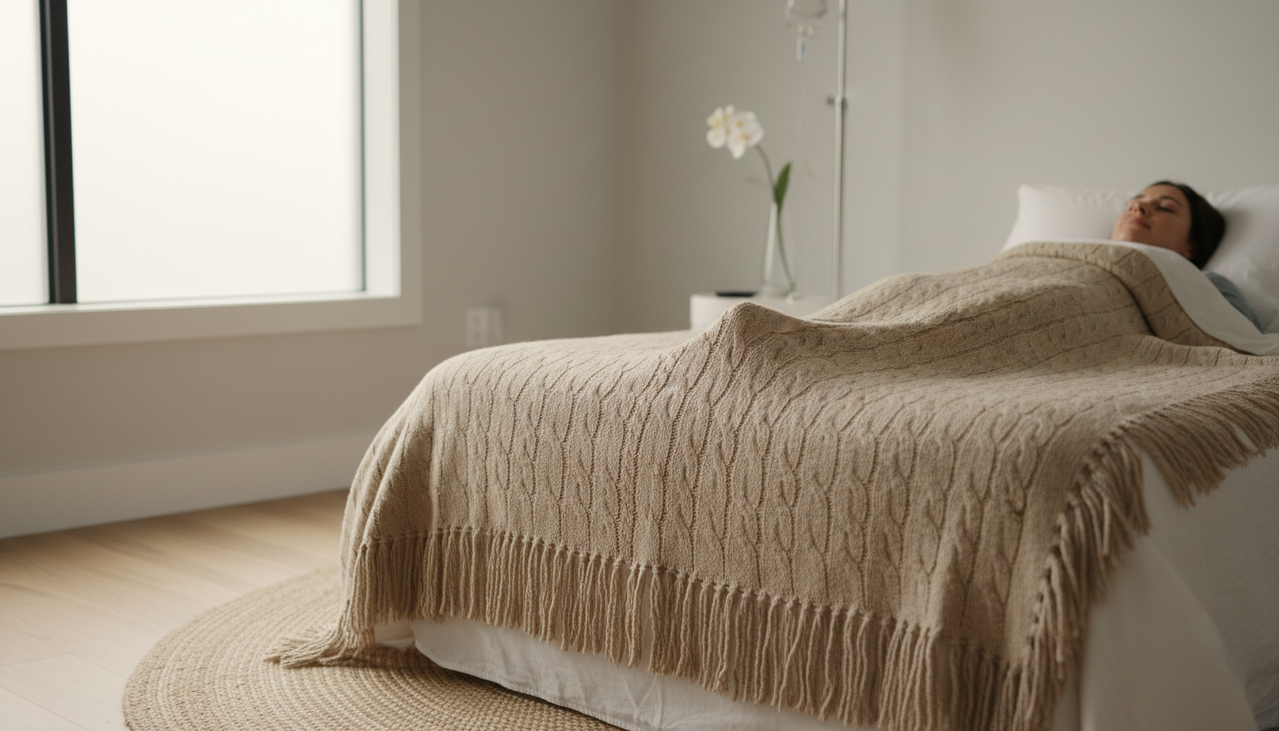
A standard Reiki session lasts between 45 and 90 minutes. The recipient lies down comfortably while the practitioner moves through a series of hand positions, often starting at the head and moving toward the feet. Some practitioners work primarily with the chakras; others follow the body's natural energy pathways.
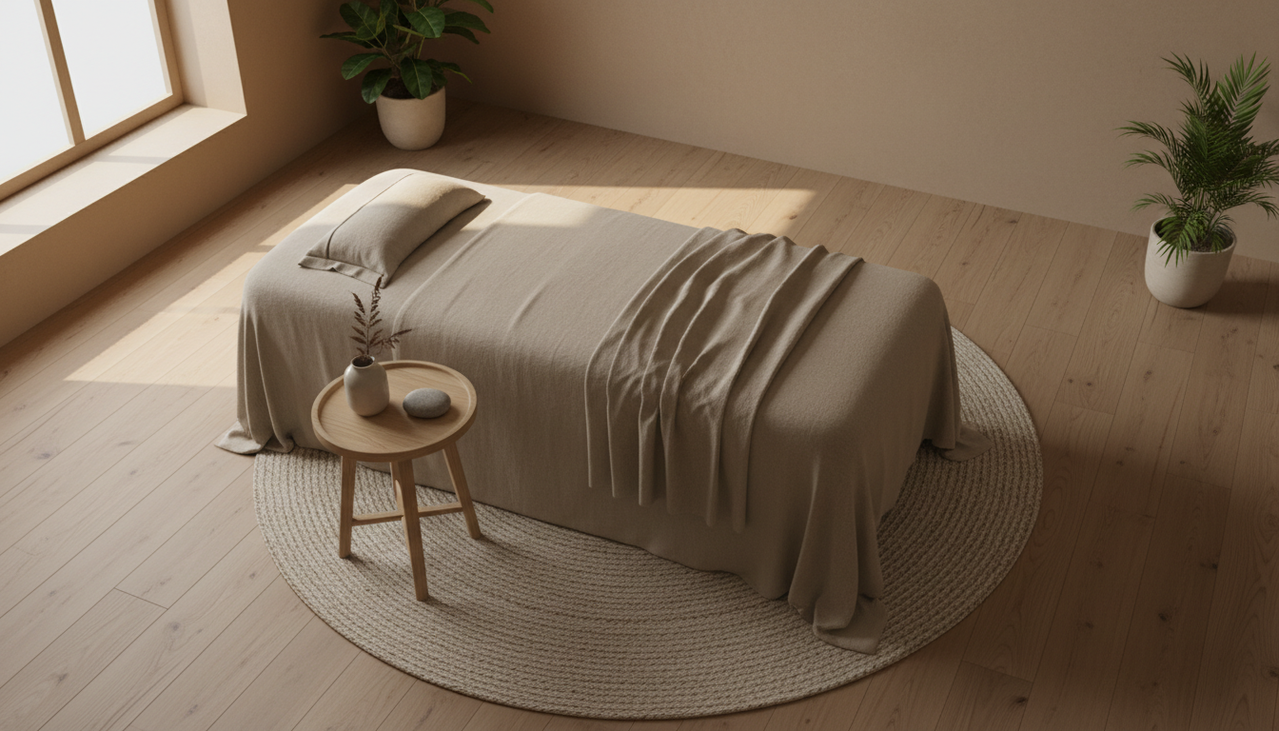
Many people report feeling deeply relaxed during a session. Some notice warmth, tingling, or a sense of quiet. Others simply fall asleep. There is no pressure, manipulation, or diagnosis involved. Reiki is considered safe for most people and is often used alongside conventional medical care.
What Reiki Is (and Is Not)
Reiki is not a religion, though it has spiritual roots. It does not require the recipient to hold any particular beliefs. It is also not a substitute for medical treatment, diagnosis, or therapy. Practitioners are not trained to treat specific diseases.
Instead, Reiki is best understood as a supportive practice that prioritizes rest, presence, and the body's innate capacity for balance. Many hospitals and wellness centers now offer Reiki as a complementary service for stress reduction and comfort.
Reiki and Everyday Life
Beyond formal sessions, the principles of Reiki can influence daily living. The traditional Reiki precepts encourage living with gratitude, kindness, and presence. Some people learn Reiki so they can offer self-treatment or support family members. Others simply appreciate the calm atmosphere it creates.
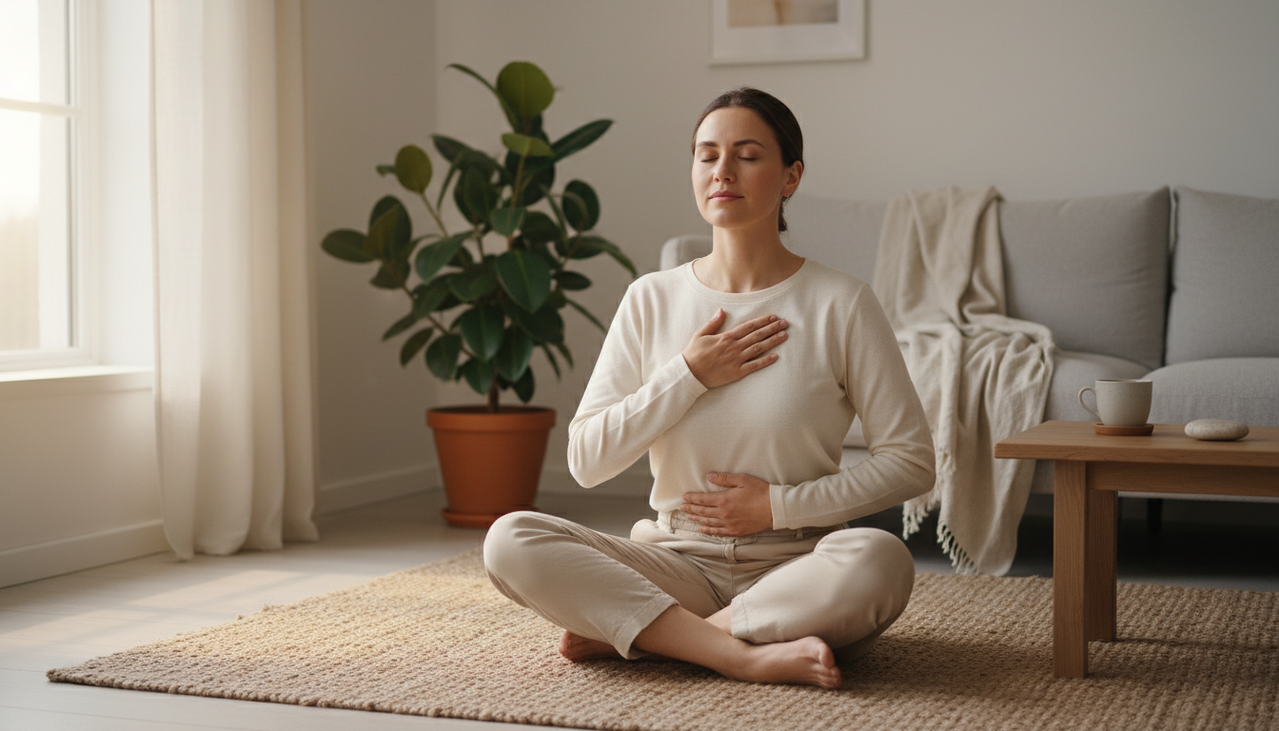
At Evolve Consciously, many of our energy tools are Reiki-infused as part of the intentional process of creation. This reflects our belief that care, presence, and focused attention can be woven into the objects people use for their own well-being.
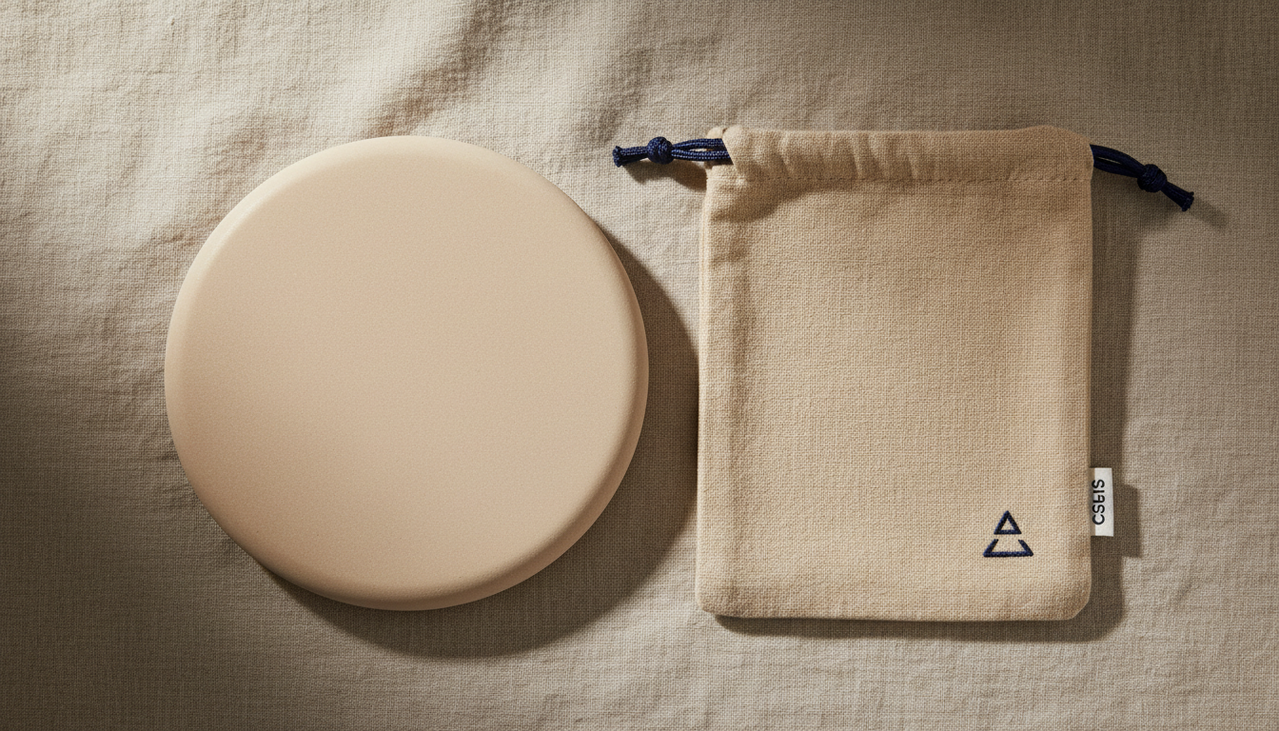
Whether someone receives a full session or simply sits quietly with an intention for balance, Reiki points toward a simple idea: that rest, awareness, and gentle support matter.
Explore Reiki-Infused Energy Tools
Many of our tools are infused with Reiki as part of an intentional creation process — designed to support rest, presence, and balance.
Shop Reiki Items